 561-338-0420
Learn about compensation for being hit by a car, including settlement amounts, factors that affect payouts, and how Elgin Injury Law can help you recover damages in Portland, Oregon.
Getting struck by a vehicle can turn your life upside down in an instant. Between mounting medical bills, lost wages, and physical pain, victims often wonder what kind of financial recovery they can expect. Understanding compensation for being hit by a car helps you make informed decisions about your case and ensures you receive fair payment for your injuries.
At Elgin Injury Law, we’ve helped countless pedestrian accident victims in Portland and throughout Oregon recover the money they deserve. This guide breaks down what you need to know about compensation, settlement amounts, and the claims process.

How Much Money Should You Get If You Get Hit by a Car?
The amount you receive after being struck by a vehicle depends on several factors specific to your situation. There’s no single answer that applies to everyone, but understanding what influences your compensation helps set realistic expectations.
Your settlement or award typically covers:
Economic damages include medical expenses, both current and future. This covers emergency room visits, hospital stays, surgeries, physical therapy, medications, and any ongoing care you’ll need. Lost wages also fall into this category, whether you missed a few days of work or can no longer perform your job due to permanent injuries. Property damage, such as damaged clothing or personal items, counts as well.
Non-economic damages address your pain and suffering, emotional distress, loss of enjoyment of life, and permanent scarring or disfigurement. These are harder to calculate but represent real losses that deserve compensation.
The severity of your injuries plays the biggest role in determining your payout. A minor injury requiring a few doctor visits will result in lower compensation than a traumatic brain injury requiring years of treatment. The at-fault driver’s insurance policy limits also matter. Even if your damages exceed their coverage, you can only recover up to their policy maximum unless you pursue additional sources.
Oregon follows a comparative negligence rule. If you share any fault for the accident, your compensation is reduced by your percentage of responsibility. For example, if you were 20% at fault and your damages total $100,000, you’d receive $80,000.
Related Article
What Is the Average Payout for Compensation?
 While every case is unique, pedestrian accident settlements in Oregon typically range from $15,000 to $100,000 or more. Some cases settle for less, while catastrophic injuries can result in million-dollar verdicts.
Minor injuries like sprains, bruises, or cuts that heal within weeks usually settle between $3,000 and $15,000. Moderate injuries requiring surgery or several months of recovery, such as broken bones or herniated discs, often range from $15,000 to $75,000. Severe injuries, including traumatic brain injuries, spinal cord damage, or permanent disabilities, frequently exceed $100,000 and can reach into the millions.
Several factors affect where your case falls within these ranges:
Your medical expenses directly impact your settlement. Higher medical bills usually mean higher settlements, particularly when you need ongoing treatment or face future medical needs.
The degree of fault matters tremendously. When the driver is clearly 100% responsible, settlements tend to be higher. If you share fault, even minimally, your compensation decreases.
Insurance coverage limits can cap your recovery. If the driver only carries Oregon’s minimum liability coverage of $25,000 per person, that may be all you can recover from their policy unless you have underinsured motorist coverage or can pursue other avenues.
Your attorney’s negotiation skills make a real difference. Insurance companies often offer low initial settlements, hoping victims will accept quickly. An experienced lawyer knows how to value your case properly and negotiate effectively.
Let's Settle For More... Get Your FREE Case Review Today.
Let's Settle For More... Get Your FREE Case Review Today.
What Injury Pays the Most for a Car Accident?
Catastrophic injuries that permanently alter your life result in the highest compensation for being hit by a car. These injuries require extensive medical treatment, limit your ability to work, and significantly reduce your quality of life.
Traumatic brain injuries top the list. Even mild traumatic brain injuries can cause lasting cognitive problems, personality changes, and chronic headaches. Severe brain injuries may require lifelong care and result in permanent disability. Settlements for traumatic brain injuries often exceed $500,000 and can reach several million dollars.
Spinal cord injuries also generate substantial settlements. Partial or complete paralysis changes every aspect of your life, requiring home modifications, assistive devices, ongoing care, and specialized medical treatment. These cases regularly settle for seven figures.
Severe burn injuries require multiple surgeries, skin grafts, and leave permanent scarring. The physical pain, emotional trauma, and cosmetic damage justify significant compensation.
Amputations obviously qualify as catastrophic. Losing a limb affects your mobility, career options, and daily activities. Prosthetics cost tens of thousands of dollars and need replacement every few years.
Multiple fractures, particularly to weight-bearing bones or joints, can result in permanent limitations and chronic pain. Complex fractures requiring multiple surgeries increase settlement values.
Internal organ damage may not be visible but can be life-threatening and require extensive treatment.
The common thread among high-value cases is permanent impairment. When injuries prevent you from returning to your previous quality of life or ability to earn income, compensation must account for decades of future losses.
Factors That Affect Your Settlement Amount
Beyond injury severity, other elements influence how much compensation you receive after being hit by a car.
Medical documentation strengthens your case. Following your doctor’s treatment plan, attending all appointments, and keeping detailed records proves the extent of your injuries and their impact on your life.
Lost income verification requires documentation from your employer showing missed work and lost wages. If you’re self-employed, tax returns and financial records demonstrate your income loss.
The defendant’s financial resources matter. A commercial driver or wealthy individual may have more available compensation than someone with minimal insurance and no assets.
Evidence quality affects settlement negotiations. Witness statements, accident scene photos, surveillance footage, and police reports that clearly show the driver’s fault increase settlement values.
Your age and occupation influence future loss calculations. A young professional with decades of earning potential ahead faces a greater financial impact than someone near retirement.
Pre-existing conditions can complicate your case. Insurance companies often argue that prior injuries caused your current problems. However, if the accident aggravated a pre-existing condition or caused new injuries, you still deserve compensation.
The Claims Process in Portland, Oregon
Understanding how to pursue compensation for being hit by a car helps you avoid costly mistakes.
Seek immediate medical attention, even if you feel okay. Some injuries don’t show symptoms right away, and delayed treatment gives insurance companies ammunition to deny your claim.
Report the accident to the police so there’s an official record. Get the driver’s information, including their insurance details.
Document everything. Take photos of the accident scene, your injuries, and any property damage. Get contact information from witnesses. Keep all medical records and bills.
Notify your insurance company about the accident. Oregon law requires this, but be careful what you say. Stick to basic facts and avoid admitting fault or speculating about your injuries.
Consult an attorney before accepting any settlement offer. Insurance companies often propose lowball settlements, hoping you’ll accept before understanding your rights. At Elgin Injury Law, we offer free consultations to review your case and explain your options.
Avoid giving recorded statements to the other driver’s insurance company without legal representation. Their goal is protecting their bottom line, not fairly compensating you.
Oregon gives you two years from the accident date to file a personal injury lawsuit. While this seems like plenty of time, evidence disappears, memories fade, and witnesses become harder to locate. Starting the process quickly preserves your case.
How Elgin Injury Law Helps Maximize Your Compensation
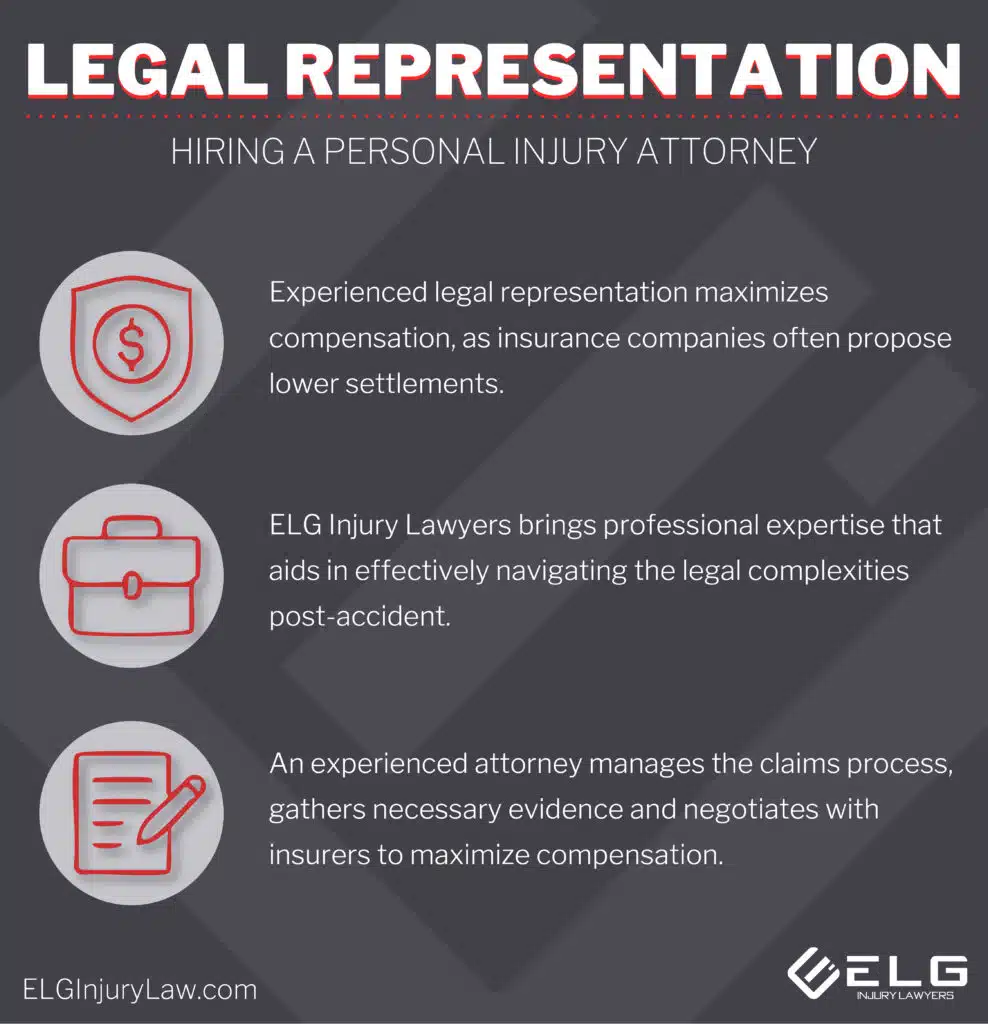
Insurance companies employ teams of adjusters and lawyers working to minimize what they pay you. Having experienced legal representation levels the playing field.
Our Portland personal injury attorneys investigate your accident thoroughly, gathering evidence that proves liability and documents your damages. We consult with medical experts who can testify about your injuries and future needs. We calculate the full value of your claim, including future medical expenses and long-term impacts you might not have considered.
We handle all communication with insurance companies, protecting you from tactics designed to devalue your claim. We negotiate aggressively, using our knowledge of Oregon law and past case results to push for fair settlements. If the insurance company won’t offer reasonable compensation, we’re prepared to take your case to trial.
Most pedestrian accident cases settle out of court, but having attorneys ready and willing to litigate strengthens your negotiating position. Insurance companies know we won’t accept inadequate offers just to close a case quickly.
We work on contingency, meaning you pay nothing up front. We only collect attorney fees if we win compensation for you. This arrangement lets anyone access quality legal representation regardless of their financial situation.
Taking Action After Being Hit by a Car
Compensation for being hit by a car should cover all your accident-related losses, from medical bills to pain and suffering. The amount varies based on injury severity, liability, insurance coverage, and how well you document your case.
Don’t let insurance companies pressure you into accepting less than you deserve. The initial offer is rarely the best offer. Before making any decisions, speak with a qualified pedestrian accident attorney who can evaluate your case and explain your rights.
At Elgin Injury Law, we fight for Portland pedestrian accident victims every day. We understand Oregon law, know how to build strong cases, and have the resources to take on major insurance companies. Your recovery matters, both physically and financially.
Contact Elgin Injury Law today for a free consultation. We’ll review your case, answer your questions, and help you understand what compensation you can expect. You’ve already suffered enough. Let us handle the legal battle while you focus on healing.
Last updated Monday, January 5th, 2026