
 561-338-0420
Oregon’s ski resorts draw thousands of visitors each winter. Mount Hood Meadows, Timberline Lodge, and Mount Bachelor, these mountains offer some of the best skiing in the Pacific Northwest. But when you’re moving at speed on steep terrain, sometimes in visibility that drops to nothing during a storm, accidents happen. And when they do, the consequences can be serious.
Understanding what typically goes wrong on the slopes and what injuries result isn’t just academic. It helps you recognize risks before they materialize and know what steps to take if something does happen to you or someone in your family.

Collision Accidents: Causes and Examples
The most common serious accidents on ski slopes involve collisions. Two skiers crash into each other. A snowboarder catches an edge and careens into someone below them. A beginner loses control of the terrain that’s beyond their ability and plows into another person waiting at the side of the run.
Collisions happen for predictable reasons. Speed is the obvious one, someone going too fast for conditions or for their skill level. Visibility matters too. When fog rolls in at higher elevations or snow falls heavily, it becomes difficult to see other people on the mountain until you’re dangerously close. Crowded runs compound the problem. Holiday weekends at Bachelor can turn intermediate trails into obstacle courses.
Right-of-way rules exist in skiing, just as they do on the road. The downhill skier or rider has the right of way. The person above is responsible for avoiding those below. But not everyone follows these rules, and not everyone has the skill to follow them even when they try. A novice skier on a blue run they shouldn’t be on may not have the control to avoid someone, regardless of their intentions.
When collisions occur, the results range from bruises and embarrassment to catastrophic injuries. Head-on impacts at combined speeds of thirty or forty miles per hour generate tremendous force. Even sideswipes can knock someone off balance and send them tumbling down the mountain into trees, lift towers, or rocks.
Related Article(s)
Oregon Ski Resort Accidents: Hazards, Laws & Your Legal Options
Oregon Ski Law: Your Rights, Duties & Deadlines Under the Skiing Activities Act
Ski Lift and Equipment Failures
Ski lifts are generally safe. Catastrophic failures are rare. But “rare” doesn’t mean “never,” and even minor malfunctions can create dangerous situations.
Lift accidents often involve getting on or off. A chair swings forward just as someone is trying to sit, knocking them off balance. At the top, someone doesn’t dismount quickly enough and gets dragged or tangled. Children are particularly vulnerable; their smaller size and less developed coordination make timing more difficult.
Equipment failures do occur. A chair detaches from the cable. The lift stops suddenly, causing whiplash. De-roping incidents, where the cable comes off the sheaves, can leave people stranded high above the ground in dangerous weather conditions. In 2016, multiple people were injured at Timberline when a cable issue caused lift chairs to roll backward down the line.
Then there’s the equipment you bring with you. Bindings that don’t release properly during a fall are a common culprit in knee injuries. Rental equipment that hasn’t been properly maintained or adjusted increases risk. Helmets with structural defects fail to protect when they’re needed most.
Resort liability in these situations depends on several factors. Did the resort properly maintain the lift? Were staff adequately trained? Was there a design defect the resort should have known about? Oregon law requires resorts to exercise reasonable care in maintaining equipment and training employees, but proving negligence requires showing they knew or should have known about a dangerous condition and failed to address it.
Terrain Hazards: Tree Wells, Icy Patches, and Ungroomed Areas
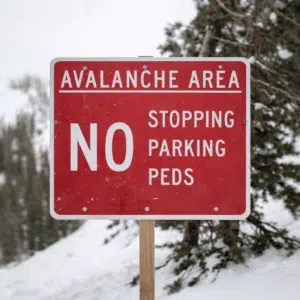 Mountains are inherently dangerous places. Even well-maintained resort terrain presents hazards that can injure or kill.
Tree wells are one of the most underestimated dangers in Pacific Northwest skiing. Deep snow accumulates on open slopes but remains shallow around the base of trees, creating voids. A skier who falls or rides too close can become trapped upside down in loose snow, unable to breathe or self-rescue. It happens quickly and often to people skiing alone in tree runs. Several deaths have occurred in Oregon over the years from tree well suffocation.
Icy conditions are another persistent problem. Warm days followed by freezing nights turn snow into ice. Morning runs on east-facing slopes can be treacherous before the sun softens things up. Catch an edge on ice, and you’re going down hard with little ability to control your slide.
Ungroomed terrain, whether officially designated as such or simply areas the resort hasn’t maintained, presents rocks, stumps, and uneven surfaces hidden under thin snow cover. Early-season skiing anywhere in Oregon involves navigating conditions where coverage is marginal. Hit a buried rock at speed, and you’ll know it immediately.
Resorts generally mark hazardous areas with signs, ropes, or closed-trail indicators. But marking isn’t always sufficient or timely. Conditions change throughout the day. An area that was safe in the morning becomes dangerous by afternoon. When resorts fail to adequately warn of known hazards or rope off areas that pose unreasonable risks, they may be liable for resulting injuries.
Oregon’s recreational immunity statute provides some protection to ski areas, but it’s not absolute. Resorts must still warn of hidden dangers they know about and maintain their property reasonably. If they’re aware of a hazard and do nothing, immunity may not apply.
Let's Settle For More... Get Your FREE Case Review Today.
Let's Settle For More... Get Your FREE Case Review Today.
Typical Injuries: Head Trauma, Knee Damage, and Spinal Cord Injuries
Certain injuries show up repeatedly in ski accidents, and each presents distinct medical and legal considerations.
Head injuries and concussions remain a leading concern. Falls at speed, collisions with other skiers, and impacts with trees or lift towers all commonly result in traumatic brain injuries. Concussion symptoms, headaches, confusion, sensitivity to light, and memory problems may not appear immediately. Someone might finish their ski day feeling fine and wake up the next morning unable to function normally.
Severe head trauma can cause skull fractures, brain bleeds, and permanent cognitive impairment. Helmet use has increased dramatically in the past decade, and helmets do prevent many serious injuries. But they’re not magic. A helmet protects against some impacts but not all. High-speed collisions can still cause concussions even when wearing one.
Knee injuries are probably the most common serious injury in skiing. The physics of skiing puts tremendous stress on knee ligaments. ACL tears happen when a ski catches and the knee twists beyond its normal range of motion. MCL injuries occur from impacts to the side of the knee. Meniscus tears accompany many ligament injuries.
| Injury Type | Common Symptoms | Typical Recovery Time |
| ACL tear | Severe pain, swelling, instability, and inability to bear weight | 6–12 months (surgical repair) |
| Concussion | Headache, confusion, dizziness, nausea, light sensitivity | 1–4 weeks (mild); months (severe) |
| Spinal fracture | Severe back pain, numbness, loss of movement, or sensation | 3–6 months minimum; some permanent |
| Shoulder dislocation | Severe pain, visible deformity, limited range of motion | 6–12 weeks |
| Wrist fracture | Pain, swelling, bruising, and inability to grip | 6–8 weeks |
Knee injuries often require surgery. ACL reconstruction means months of physical therapy. Many people never return to their pre-injury activity level. For athletes, outdoor professionals, or anyone whose work involves physical labor, a knee injury can be career-altering.
Spinal cord injuries are less common but devastating when they occur. Falls that result in hard impacts to the back or neck can fracture vertebrae. Even without a complete spinal cord transection, compression injuries can cause permanent nerve damage, chronic pain, and mobility limitations. Complete spinal cord injuries result in paralysis below the injury site.
These injuries typically happen in high-speed crashes, falls from chairlifts, or collisions with immovable objects like trees or rocks. The immediate medical costs are staggering, including emergency transport, surgery, extended hospital stays, and rehabilitation. Long-term costs for severe injuries can reach into the millions.
Beyond these major categories, ski accidents cause broken bones (wrists and ankles are common), dislocated shoulders, facial trauma, and lacerations. Even injuries that don’t seem severe initially can have lasting effects. A broken wrist that heals improperly can cause permanent loss of grip strength. Facial scars may be permanent.
Let's Settle For More... Get Your FREE Case Review Today.
Let's Settle For More... Get Your FREE Case Review Today.
Medical Costs and Legal Considerations
 The financial impact of a serious ski accident extends far beyond the initial emergency room visit. Surgery for an ACL tear typically costs $20,000 to $50,000. Spinal surgery can exceed $100,000. Add physical therapy, follow-up appointments, imaging studies, and medications, and costs multiply quickly.
Many ski accident victims face lost wages on top of medical bills. Recovery from major orthopedic surgery means weeks or months unable to work. For self-employed individuals or those in physically demanding jobs, the income loss can be devastating. Some people never fully return to their previous earning capacity.
Oregon law allows injured parties to pursue compensation when someone else’s negligence caused their injury. That “someone else” might be another skier who was reckless.
It might be the resort if they failed to maintain equipment or warn of hazards. It might be an equipment manufacturer if a defective gear contributed to the injury.
Proving negligence requires showing that the responsible party had a duty of care, breached that duty, and directly caused your injuries as a result. In ski accidents, this often comes down to witness statements, resort incident reports, photographs of the accident scene, and expert testimony about proper safety standards.
Ski resorts often require visitors to sign liability waivers. These waivers do provide some protection to resorts, but they don’t eliminate all liability. Oregon courts have found that waivers can’t protect resorts from their own gross negligence or reckless conduct. If a resort knew about a serious hazard and ignored it, a waiver may not shield them from liability.
Time matters in these cases. Oregon’s statute of limitations for personal injury claims is generally two years from the date of injury. Waiting too long means losing your right to pursue compensation, regardless of how strong your case might be. Evidence deteriorates. Witnesses’ memories fade. Accident scenes change.
If you’ve been injured in a ski accident, particularly if the injury was serious or resulted from someone else’s careless behavior, speaking with an attorney familiar with these cases makes sense. The evaluation costs nothing, and understanding your options early helps you make informed decisions about your medical care and financial recovery.
Winter in Oregon means snow, mountains, and the risks that come with them. Most ski days end with nothing worse than tired legs and cold fingers. But when accidents happen, knowing what injuries to watch for and what legal rights you have can make a difficult situation more manageable. Whether it’s understanding why that knee still hurts weeks later or recognizing that the lift operator’s negligence played a role in your injury, information matters.
Skiing will always carry inherent risks. Not all accidents are someone else’s fault, and not all injuries lead to legal claims. But when someone’s negligence turns a day on the mountain into months of medical treatment and financial stress, you don’t have to navigate that alone.
Last updated Monday, January 5th, 2026