
 561-338-0420
The run looked clean. You’d taken it a dozen times before. Then, in an instant, you’re down, and something hurts more than it should. Whether you hit ice, collided with another skier, or encountered an unmarked hazard, the minutes that follow a ski accident matter more than you might think.
Oregon’s mountains draw thousands of skiers each season to resorts like Mt. Hood Meadows, Timberline, and Willamette Pass. The slopes are stunning, but accidents happen, and when they do, the steps you take immediately afterward can make or break any potential claim for compensation.
This guide walks you through exactly what to do after a ski accident in Oregon, from the mountain to the recovery process. If you’re reading this from a lodge or an ER, bookmark this page and work through it one step at a time.

1. Assess Your Injuries and Get Help
Before you do anything else, stop and take stock. Don’t try to get up and shake it off if you’re hurt. Spinal injuries, concussions, and fractures can all worsen with movement.
If you’re with someone, tell them you’re injured. If you’re alone and need help, stay put and signal for assistance, wave your poles, call out, or use your phone if you have service.
Ski patrol at Oregon resorts is trained to respond quickly. Don’t hesitate to ask someone nearby to contact them. Even if your injury seems minor at first, adrenaline can mask pain. What feels like a bruise might be a torn ligament.
What to say when patrol arrives:
- Describe what happened as clearly as you can
- Point out where you’re hurt
- Mention if you lost consciousness, even briefly
- If another skier was involved, let them know
Don’t downplay your injuries to avoid disrupting your day or worrying others. Ski patrol has seen it all, and their documentation of your condition becomes part of the official record.
Related Article(s)
Oregon Ski Law: Your Rights, Duties & Deadlines Under the Skiing Activities Act
2. Document the Scene Before It Disappears
Snow gets groomed. Tracks get covered. Witnesses ski away. If you’re able, or if someone with you can help, start documenting the accident scene right away.
Pull out your phone and take photos of:
- Where you fell or were struck
- The trail conditions (icy patches, moguls, debris)
- Any obstacles, signs, or markers (or their absence)
- Your equipment, if it was damaged
- The other party’s equipment, if they were involved
- Your visible injuries
Take videos too. A short clip that shows the slope angle, visibility, or trail conditions can tell the story better than a still image. Capture a slow pan of the area so nothing gets left out.
Witness information is gold. If anyone saw what happened, ask for their name and phone number before they leave. Even a first name and an approximate location (like “staying at Government Camp”) is better than nothing. People are usually willing to help; they just need to be asked.
Write down or record voice notes about what you remember while it’s fresh: the time, the run name, weather conditions, and what you saw or felt just before the accident. Memory fades fast, especially after trauma.
3. Report the Accident to Ski Patrol and Resort Management
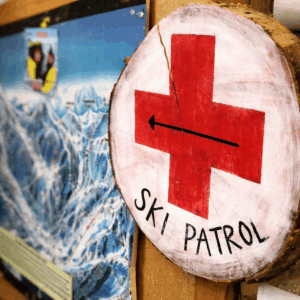 Once ski patrol has stabilized you, make sure they complete an official incident report. This is non-negotiable. The report creates a formal record of how you were injured, where it happened, and the circumstances surrounding the accident.
Ask for a copy of the report before you leave the mountain. Some resorts will provide one immediately; others may require a written request. Get the name and badge number of the patrol member who filled it out.
If your accident involved a lift malfunction, a collision with resort equipment, or an unmarked hazard, you should also report it to resort management.
Go to the main office or guest services and file a separate complaint. This puts the resort on notice and creates another layer of documentation.
Oregon law allows resorts some protection from liability under the state’s ski safety statute (ORS 30.970 to 30.990), but that immunity isn’t absolute. Resorts can still be held responsible for:
- Negligent grooming or trail maintenance
- Failing to mark hazards or close dangerous runs
- Lift malfunctions or improper operation
- Collisions caused by inadequately trained staff
The more documentation you have, the stronger your position if you later decide to pursue a claim.
Let's Settle For More... Get Your FREE Case Review Today.
Let's Settle For More... Get Your FREE Case Review Today.
4. Seek Medical Attention, and Follow Through
Even if ski patrol clears you to leave on your own, see a doctor that same day or the next morning. Some injuries, especially head trauma and internal injuries, don’t show symptoms right away.
Go to an urgent care clinic or emergency room if you’re experiencing:
- Head or neck pain
- Dizziness, nausea, or confusion
- Sharp or persistent pain anywhere
- Swelling, numbness, or limited mobility
- Shortness of breath or chest pain
Tell the treating physician that your injuries are from a ski accident. Be specific about what happened. The medical record should clearly connect your injuries to the incident on the mountain.
Keep every piece of paperwork. Medical records, bills, prescriptions, imaging reports, and physical therapy referrals all matter. Take photos of visible injuries as they develop; bruising often looks worse a day or two later.
Follow your doctor’s instructions. If they refer you to a specialist or recommend physical therapy, go. Gaps in treatment give insurance companies ammunition to argue that your injuries weren’t that serious.
5. Contact an Oregon Ski Accident Lawyer
Most people don’t think about calling a lawyer right after an accident. They’re focused on recovering, getting back to normal, and dealing with medical appointments. That’s understandable, but waiting too long can hurt your case.
Insurance companies move fast. Resort operators have legal teams. The ski patrol report and witness information you worked so hard to gather? Those become harder to obtain as time passes.
An experienced Oregon ski accident attorney can:
- Investigate the accident while the evidence is still available
- Identify all potentially liable parties (the resort, another skier, equipment manufacturers)
- Handle communications with insurance adjusters so you don’t accidentally say something that weakens your claim
- Calculate the full value of your damages, including future medical costs and lost income
- Navigate Oregon’s comparative negligence rules, which can reduce your recovery if you’re found partially at fault
Oregon’s statute of limitations for personal injury claims is generally two years from the date of the accident. That might seem like plenty of time, but cases take months to build properly. The sooner you talk to a lawyer, the better.
What to bring to your consultation:
- Photos and videos from the scene
- The ski patrol incident report
- Medical records and bills
- Witness contact information
- Your lift ticket or season pass
- Any correspondence with the resort or insurers
Most personal injury attorneys, including our team, offer free consultations. There’s no cost to find out whether you have a case and what your options are.
6. Downloadable Ski Accident Checklist
We’ve compiled everything from this guide into a single-page checklist you can print and keep in your car or jacket pocket. It’s designed to be quick and actionable, so you know exactly what to do if the worst happens.
The checklist includes:
- Immediate safety steps
- A documentation guide with photo prompts
- A witness information template
- Questions to ask ski patrol and medical staff
- Reminders about follow-up actions
Print a few copies and share them with your ski buddies. Hope you never need it, but if you do, it’s there.
Why These Steps Matter Under Oregon Law
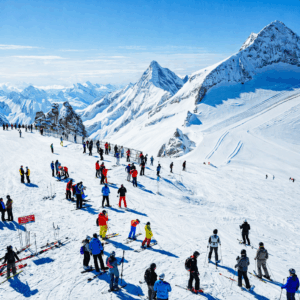 Oregon has specific statutes that govern ski area liability. ORS 30.970 through 30.990 outline the responsibilities of both skiers and resort operators. Resorts must maintain safe conditions, mark hazards, and operate lifts properly. Skiers must stay in control and obey posted signs.
But here’s the catch: if you don’t document the accident properly, it becomes your word against the resort’s. Insurance adjusters will argue that you were skiing beyond your ability, that you ignored warnings, or that the hazard was obvious.
Every photo, every witness statement, every line in a medical record strengthens your ability to prove what really happened. It’s not about being litigious; it’s about protecting your right to fair compensation when someone else’s negligence causes you harm.
Oregon also follows a modified comparative negligence rule. If you’re found to be more than 50% at fault for your own injuries, you can’t recover anything.
If you’re found partially at fault but less than 50%, your damages are reduced by your percentage of fault. This makes early evidence-gathering critical.
Let's Settle For More... Get Your FREE Case Review Today.
Let's Settle For More... Get Your FREE Case Review Today.
Common Mistakes to Avoid After a Ski Accident
Leaving the mountain without reporting the accident. If there’s no incident report, it’s much harder to prove where and when your injuries occurred.
Posting about the accident on social media. Insurance companies monitor social media. A casual comment like “I’m fine, just shook up” can be used against you later, even if you discover serious injuries the next day.
Giving a recorded statement to an insurance adjuster without legal advice. Adjusters are skilled at asking questions that can undermine your claim. Politely decline until you’ve spoken with an attorney.
Signing anything the resort or an insurer sends you. Even seemingly harmless paperwork can include liability waivers or settlement releases. Don’t sign without understanding what you’re agreeing to.
Waiting too long to get medical attention. Delays suggest your injuries weren’t serious, even if that’s not true.
What Compensation Might Be Available
If another party’s negligence contributed to your ski accident, you may be entitled to compensation for:
- Medical expenses (emergency care, surgery, rehabilitation)
- Lost wages and diminished earning capacity
- Pain and suffering
- Permanent disability or disfigurement
- Property damage (ski equipment, clothing, phones)
Oregon law doesn’t cap damages in most personal injury cases, which means the value of your claim depends on the severity of your injuries and the strength of your evidence.
Get Help Now
Ski accidents can derail your life in ways you don’t expect, not just physically, but financially and emotionally. You shouldn’t have to navigate the aftermath alone.
If you’ve been injured on an Oregon ski slope, we’re here to help. Our team understands the unique challenges of ski accident cases, from dealing with resort insurance policies to proving fault in winter conditions.
Call us today for a free, no-obligation consultation. We’ll review your case, answer your questions, and explain your options, clearly and honestly.
The mountains will still be there when you’re ready to go back. Right now, focus on getting better and on getting the justice you deserve.
Last updated Monday, January 5th, 2026